Bank of Japan Raises Rates to 1.25%, a 31-Year High
The Bank of Japan decided on Friday, 18 September, to raise its policy rate from 1% to 1.25%, taking it to its highest level in 31 years. The quarter-point increase was approved by a 7–2 vote and takes effect on 24 September.
The decision was widely expected, Reuters reported. It follows recent increases by the Federal Reserve and the European Central Bank as policymakers confront renewed inflation pressure.
Japan’s central bank pointed to high oil prices, a weaker yen and companies passing higher wage costs on to customers. It said underlying inflation was approaching its 2% target and warned that prices could rise faster than intended.
The yen initially weakened after the announcement. Investors focused on the two dissenting votes and the lack of a stronger signal about how quickly further increases would follow, according to Reuters.
Why it matters
For businesses, the decision marks another step away from Japan’s long period of exceptionally cheap borrowing. For global investors, the pace of future increases matters because the yen has been widely used to fund investments elsewhere.
The bank signalled that further rate increases remain on the table, but tied their timing and pace to economic conditions, prices and financial conditions. A higher rate today does not amount to a fixed schedule for the next move.
Sources: Reuters, via The Standard; Bank of Japan policy statement, 18 September 2026.
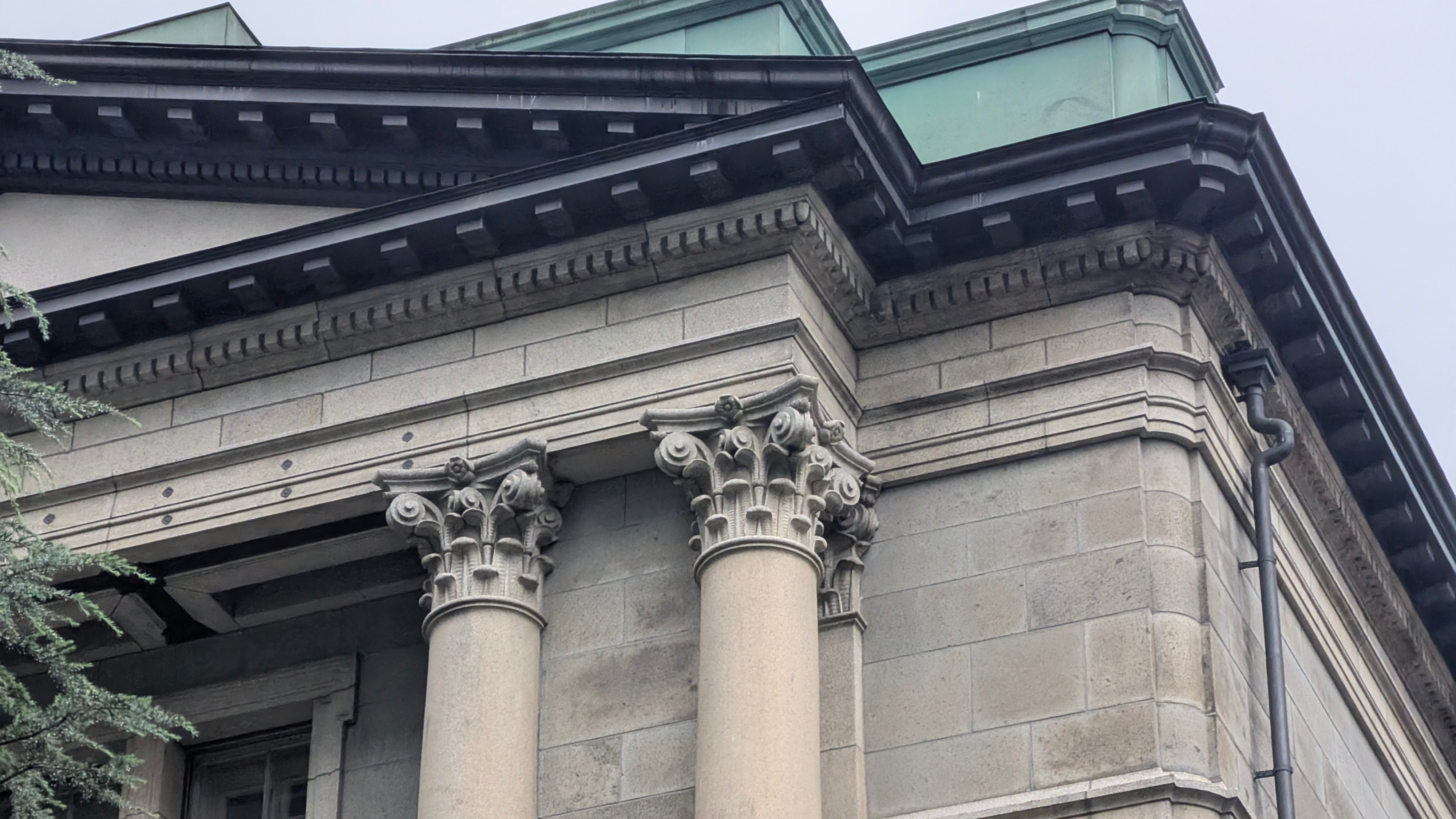
Cover: Exterior detail of the Bank of Japan’s headquarters in Tokyo, photographed on 16 August 2026. File photo, cropped. Credit: Syced / Wikimedia Commons, CC0 1.0. Image source; license.