Crude Oil Is Not Diesel: Why Fuel Prices Can Move Apart
Oil can get cheaper while the price a business pays for diesel barely changes. Crude is the raw material; diesel is a finished fuel with its own supply constraints.
A barrel is only the start
Crude must be refined and the finished fuel delivered. Refinery outages, low diesel inventories or delays in imports can keep diesel scarce even when crude is available. Taxes, transport costs and retail margins also shape the final price. [EIA]
The gap matters
One useful measure is the diesel “crack spread”: the difference between wholesale diesel and crude prices, measured in comparable units. The US Energy Information Administration uses it as a proxy for refining margins—not a measure of net profit. A widening gap can signal pressure in the fuel market that a crude-price headline misses.
Not all reserves solve the same problem
On 2 October, Reuters reported a French proposal involving separate releases of diesel and crude stocks. That distinction matters. The International Energy Agency explains that finished-product reserves can reach affected markets faster when refineries or import terminals are disrupted. Releasing crude alone does not remove the need to process it.
Emergency stocks can buy time during a supply shock; they cannot permanently replace reliable production and delivery. The IEA describes its emergency system as a response to short-term supply disruption, not a price-control tool.
Why businesses feel the difference
Diesel helps power road freight, farming and parts of rail transport. Higher fuel costs can therefore feed into the cost of moving goods, even for people who never buy diesel themselves. [EIA]
The takeaway: a cheaper barrel does not guarantee cheaper delivered fuel. Refinery output, inventories and distribution help explain what the oil price alone cannot.
Morval Universal explainer. Sources checked 2 October 2026.
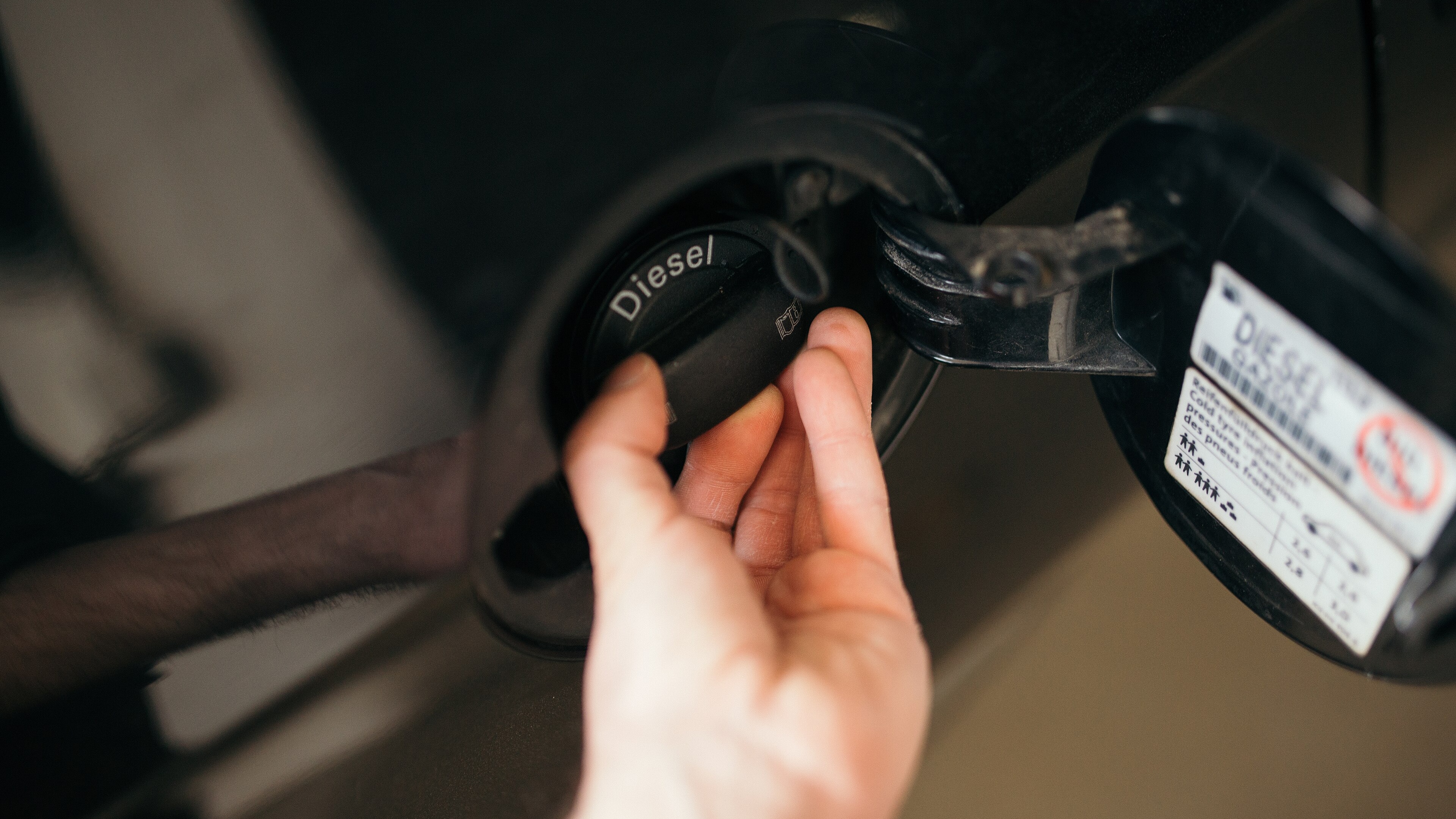
Cover photo: A diesel vehicle’s fuel cap, 10 April 2020. Archival illustration. Nenad Stojković (Shixart1985) / Wikimedia Commons, CC BY 2.0. Resized and cropped.