Orders, Revenue and Cash: Three Numbers That Tell Different Stories
A record order book can signal demand, not this quarter's sales or cash in the bank. The distinction matters in industrial earnings.
New orders measure business booked during a period. Backlog is the work still outstanding at period-end. Revenue, under U.S. GAAP's Topic 606, reflects transferring control of promised goods or services to customers. Recognition can happen over time or at a point in time.
ABB illustrates this. On 20 October, it reported quarterly orders of $12.06 billion against revenue of $9.70 billion. Its 1.24 book-to-bill ratio means new orders exceeded revenue, not that profit or cash rose by the same proportion.
Timing matters. Of ABB's $32.26 billion backlog at 30 September, the company expected to fulfil about 26% in the remainder of 2026 and 41% in 2027, with the balance later. Those are expectations, not guarantees.
Cash follows another timetable. Customers may pay advances before revenue is recognised, while completed work can remain unbilled.
The question is not simply whether backlog is bigger. It is how that work converts into revenue, margins and cash. A substantial backlog can improve visibility; execution and collection determine what it ultimately delivers.
Original explainer by Morval Universal. Sources: ABB Q3 2026 report, 20 October 2026, including Note 8; FASB Topic 606 review, 2024, accounting model; Reuters report, 20 October 2026.
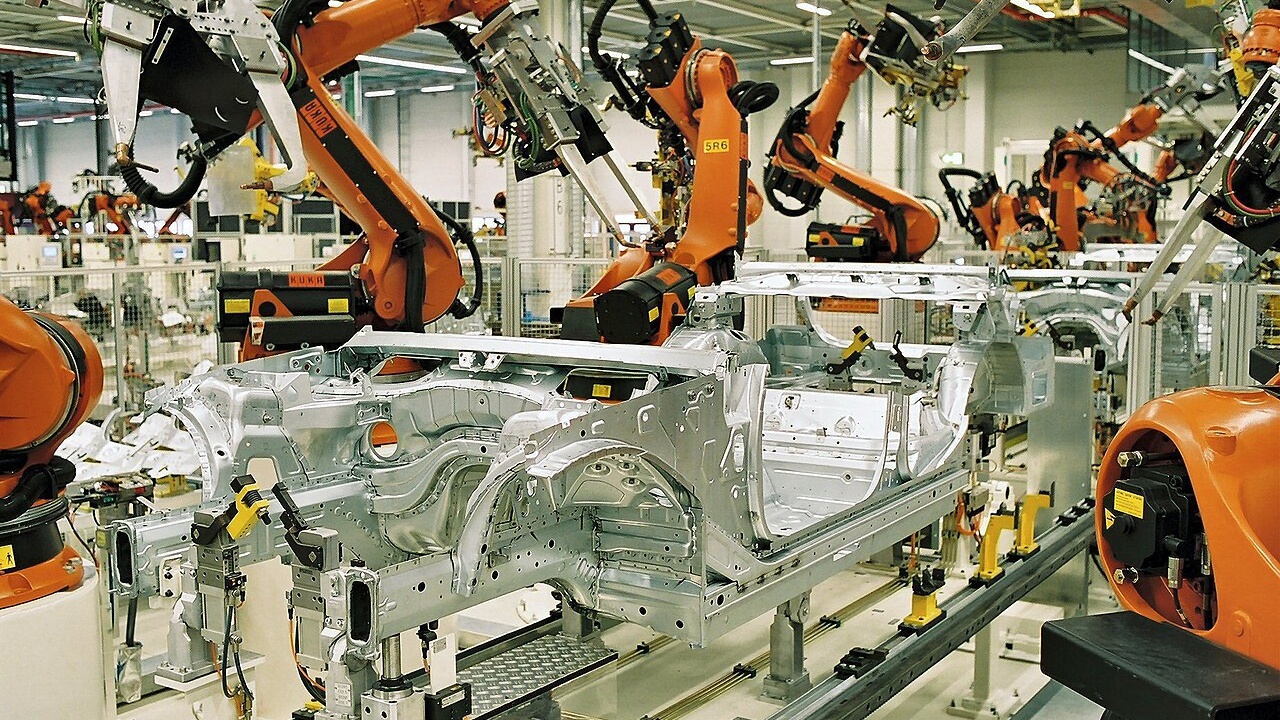
Illustrative archival photo: BMW Leipzig plant, 2005. BMW Werk Leipzig / Wikimedia Commons, CC BY-SA 2.0 Germany. Cropped to 16:9 by Morval Universal; cropped image available under the same licence.