Why a Rate Cut Does Not Make Every Loan Cheaper
Explainer — A central-bank rate cut can make borrowing cheaper, but it is not a discount applied automatically to every loan. The policy rate is a starting point, not a household's final bill.
Start with the contract. An existing fixed-rate loan keeps its agreed rate during the fixed period. A variable-rate loan may reset later, using its specified benchmark and contractual limits.
A new fixed-rate mortgage is priced against market rates for a comparable period, not just today's policy rate. Those markets reflect expectations for future policy and economic conditions. A widely expected cut may already be reflected before the announcement.
Risk matters too. The Bank of England explains that mortgage pricing includes a credit spread influenced by default risk, leverage, competition and wider credit conditions. That spread need not move in step with the policy rate.
The useful distinction is between a policy signal, a market price and a loan contract. They are connected, but they do not reset together. A lower headline rate alone cannot tell a borrower when, or by how much, their costs will fall.
Sources: Bank of England: monetary policy transmission; CFPB: fixed and adjustable-rate mortgages.
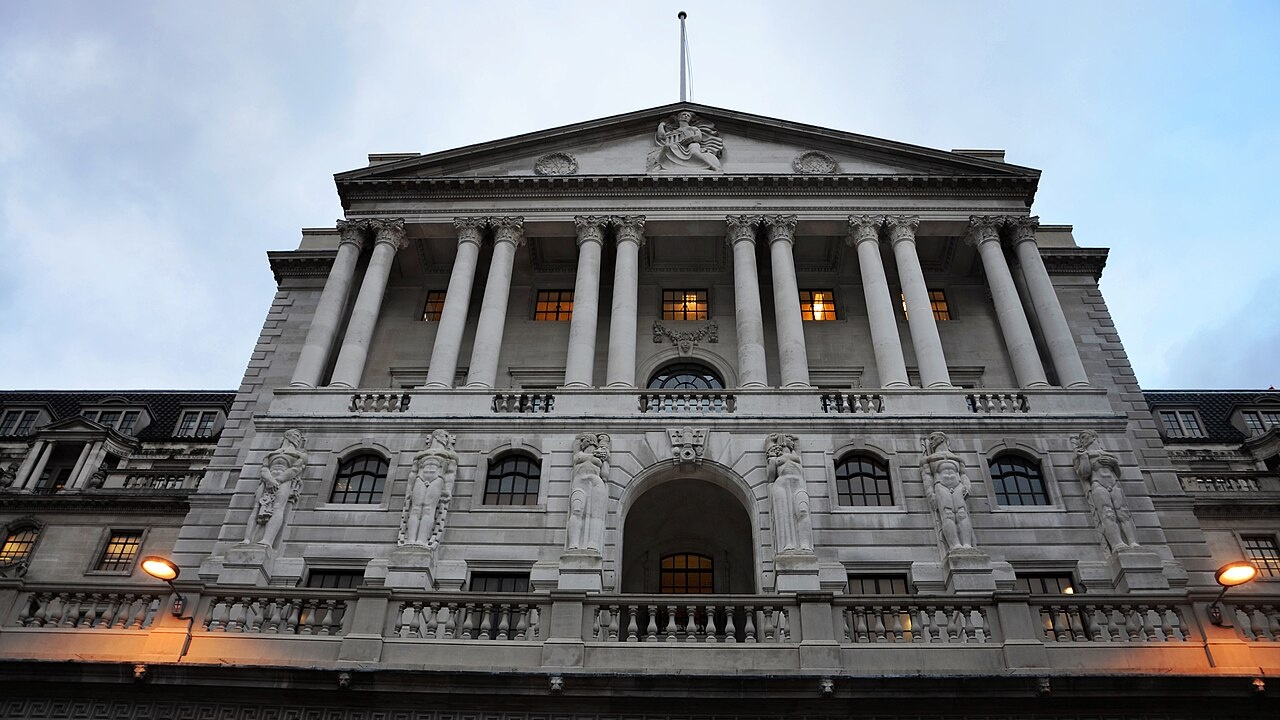
Archival photo: Bank of England, London, 2016. It's No Game (Duncan Harris) / Wikimedia Commons, CC BY 2.0. Cropped to 16:9 by Morval Universal.